AI-Driven Business Process Modeling Software

Model efficient processes and prove they work

mindzie’s BPMN 2.0 software connects process design with operational reality, helping teams model, govern, and improve the way work gets done.
masthead Business Process Modeling r1

Modeling foundation

Clear process models make complex work easier to improve

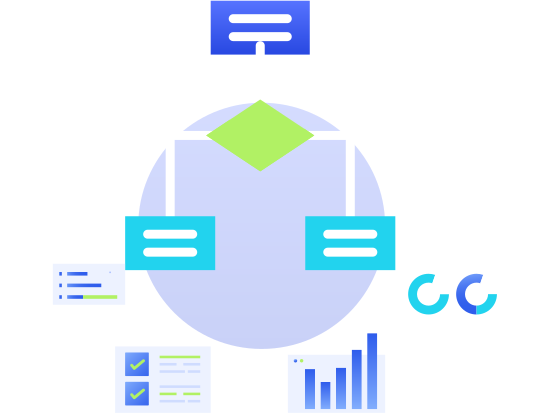
Business Process Model and Notation (BPMN) gives teams a visual representation of complex business processes so they can clarify responsibilities, identify inefficiencies, and improve communication across departments. mindzie’s business process modeling software helps enterprises align models with strategic goals and improve transparency, efficiency, and consistency across the organization.

Deployment

Cloud + On-Premises

Use managed SaaS for speed or on-premises deployment for data residency, regulated environments, and enterprise control.

Languages

Multilingual

Support international teams with translated interfaces, model content, and regional process variants in one shared environment.

Standard

BPMN 2.0

Use native BPMN 2.0 software support with a drag-and-drop canvas built for process owners, analysts, and modelers.

AI process modeling

Build stronger BPMN models with AI frameworks
img build stronger bpmn models with ai frameworks 2x

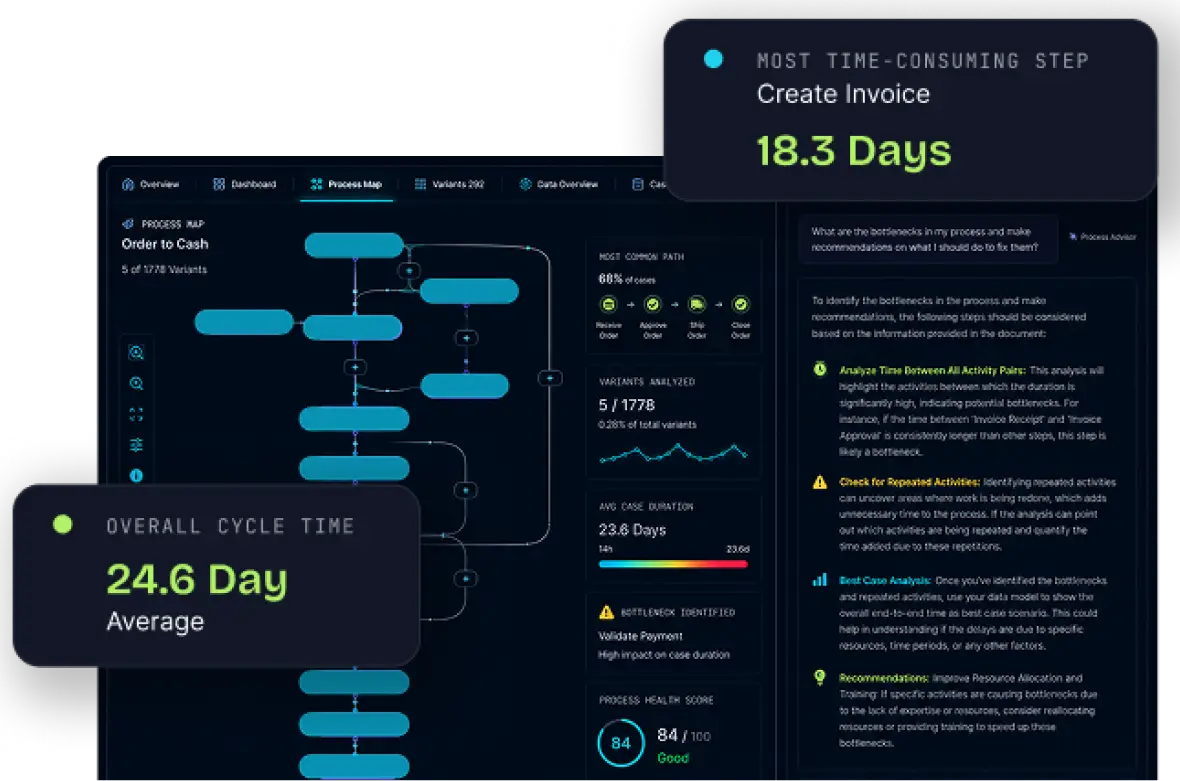
mindzie helps teams move from process knowledge to structured models faster, with AI tools that support creation, review, and improvement.

Learn more

Everything an enterprise needs

From the first drag and drop to monitored reality

mindzie combines process modeling, governance, documentation, and monitoring in one connected business process modeling platform, helping enterprises keep their process library accurate, trusted, and actively used.

BPMN 2.0 Drag & Drop Authoring

Create models teams can understand and use

Build BPMN diagrams with full element support, including events, gateways, tasks, sub-processes, message flows, and pools/lanes.

Central Repository & Version Control

Keep every process model current

Store, update, share, branch, compare, and roll back models across departments so various teams work from one trusted source.

Automated
Documentation

Turn models into usable process guidance

Generate documentation for process owners, trainers, end users, and auditors to make business activities, roles, and responsibilities crystal clear.

Approval Workflows with Commentary

Govern every change before it goes live

Route models to owners for review, collect inline comments, approve changes, and keep a clear audit trail for business process management.

Automated Review Reminders

Keep your process library from going stale

Prompt process owners to review and reapprove models on schedule, supporting consistency, accuracy, and long-term process governance. 

Global Deployment

Support teams across regions and operating models

Deploy cloud, on-site, or hybrid environments with multilingual support for global business operations and regulated teams.

Get started

Start modeling your processes today for free

Create your first BPMN 2.0 model in minutes. No credit card required.

Sign up for free

The differentiator

BPMN modeling that transforms your processes
img providing ai agents the operational context they are missing

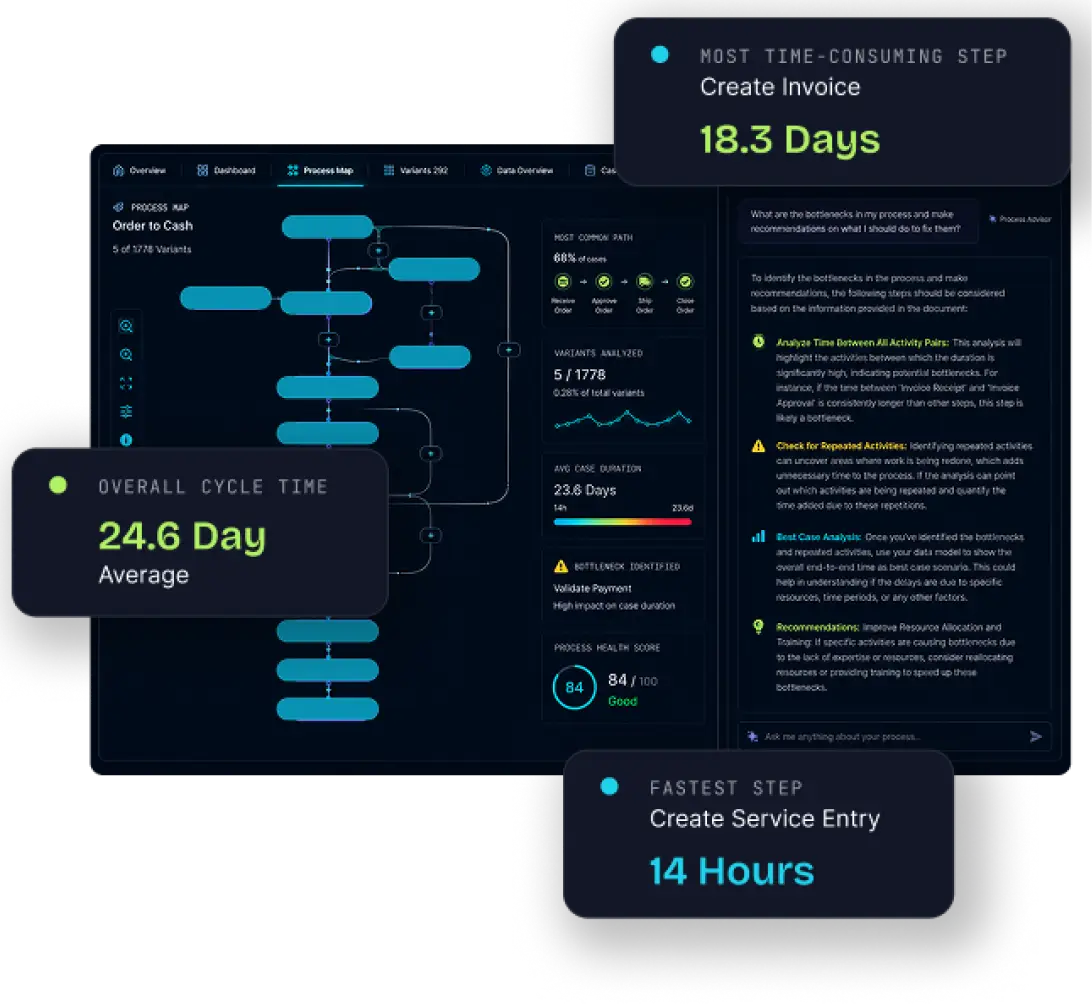
Traditional process modeling software helps teams draw the process. mindzie helps teams design it, govern it, compare it against real work, and keep improving it over time.

Intuitive design

A clean drag-and-drop workspace helps process owners, analysts, and operations teams map out complex workflows and create models quickly without relying on developers for every change.

Enterprise integration

mindzie helps teams connect process models with operational data, so models are not isolated diagrams but part of a larger solution for visibility and control.

Process mining capabilities

By connecting modeling with process mining, mindzie helps teams see where actual work follows the model, where it drifts, and where inefficiencies appear.

Advanced process simulation

Simulation helps teams evaluate possible changes, understand impact, and make better decisions to streamline operations.

Rigorous compliance governance

mindzie enables teams to maintain detailed process documentation, version history, approvals, and review records. This gives organizations stronger oversight and helps BPM software support regulatory compliance through clearer, more consistent documentation.

Frequently asked questions

What is BPMN 2.0?

BPMN 2.0, or Business Process Model and Notation, is a standard visual language for mapping business processes. It helps teams document how work should move across people, systems, decisions, exceptions, and handoffs in a format that is easier to understand, govern, and improve.

Common process modeling diagrams include Supplier, Input, Process, Output, Customer (SIPOC) diagrams, Unified Modeling Language (UML) diagrams, flowcharts, Gantt charts, and Business Process Model and Notation 2.0 (BPMN 2.0) models. SIPOC diagrams summarize suppliers, inputs, processes, outputs, and customers. UML diagrams are often used for software and system processes. Flowcharts show basic steps and decisions, while Gantt charts help visualize project timelines and dependencies.

Yes. With mindzie, teams can use AI support to turn process descriptions into draft BPMN 2.0 models. The model can then be reviewed, refined, approved, and compared against real process data so teams are not starting from a blank canvas.
No. Most teams can begin with the core BPMN elements they use most often, such as tasks, events, gateways, swimlanes, and flows. mindzie helps make modeling approachable while supporting the deeper BPMN 2.0 structure experienced process teams may need.

mindzie connects process modeling with process mining, allowing teams to compare the designed process against how work actually happens. This helps reveal where workflows drift, where exceptions appear, and where models need to be updated to reflect operational reality.

Yes. mindzie supports enterprise process governance with centralized models, version control, approvals, commentary, review reminders, and audit history. Teams can manage process documentation more consistently while giving leaders, auditors, and process owners a clearer record of how models change over time.