
Process Mining | mindzie | 9 min read
If you’re evaluating Celonis alternatives in 2026, the short answer is this: teams that want the same depth of process visibility without Celonis’s price tag or implementation timeline are increasingly turning to mindzie, SAP Signavio, or ARIS Process Mining, depending on how SAP-centric their systems are and how much deployment flexibility they need.
Celonis is one of the most recognized names in process mining, and for good reason. But its cost and complexity put it out of reach for a lot of teams, especially mid-market companies and anyone without a dedicated process mining team on staff. Below, we break down the top 10 Celonis alternatives for 2026, what each one does well, and who it’s actually built for.
Why Look for a Celonis Alternative?
Before the list, it’s worth understanding what actually pushes teams to look elsewhere. A few themes come up again and again in verified user reviews:
- Price. Celonis is consistently described by its own users as the most expensive option in the category, with licensing tied to data volume rather than a flat per-user cost. Several reviewers note it’s simply out of budget for mid or lower-sized organizations.
- Implementation complexity. Building a custom dashboard or analysis in Celonis can take weeks for a new user, and reviewers describe it as more of a specialist’s tool than something a general business user can self-serve.
- Rigid structure. Users describe Celonis’s data model as powerful but inflexible, requiring processes to be shaped to fit the platform rather than the other way around.
- Resourcing. Getting full value out of Celonis typically requires a trained internal team or ongoing consulting support, which adds to the real cost of ownership beyond the license itself.
- Data security. Celonis is built cloud-first, and a true on-premise deployment isn’t available for standard customers, its “on-premise” clients are really just local data extractors that still hand processing off to Celonis’s cloud. For healthcare, finance, government, and other regulated industries, that’s often a dealbreaker, since compliance requirements can call for sensitive process data to stay inside the organization’s own firewall rather than leaving it at any point in the pipeline.
- Feature gaps outside core mining. Some reviewers note that task mining and cross-system compatibility lag behind Celonis’s core process mining strength, meaning teams sometimes need to bring in additional tools to fill the gap.
None of that makes Celonis a bad platform, it’s simply built for large enterprises with the budget and team to match. If that’s not your situation, here are 10 alternatives worth a look.
The Top 10 Celonis Alternatives in 2026
1. mindzie Process Intelligence
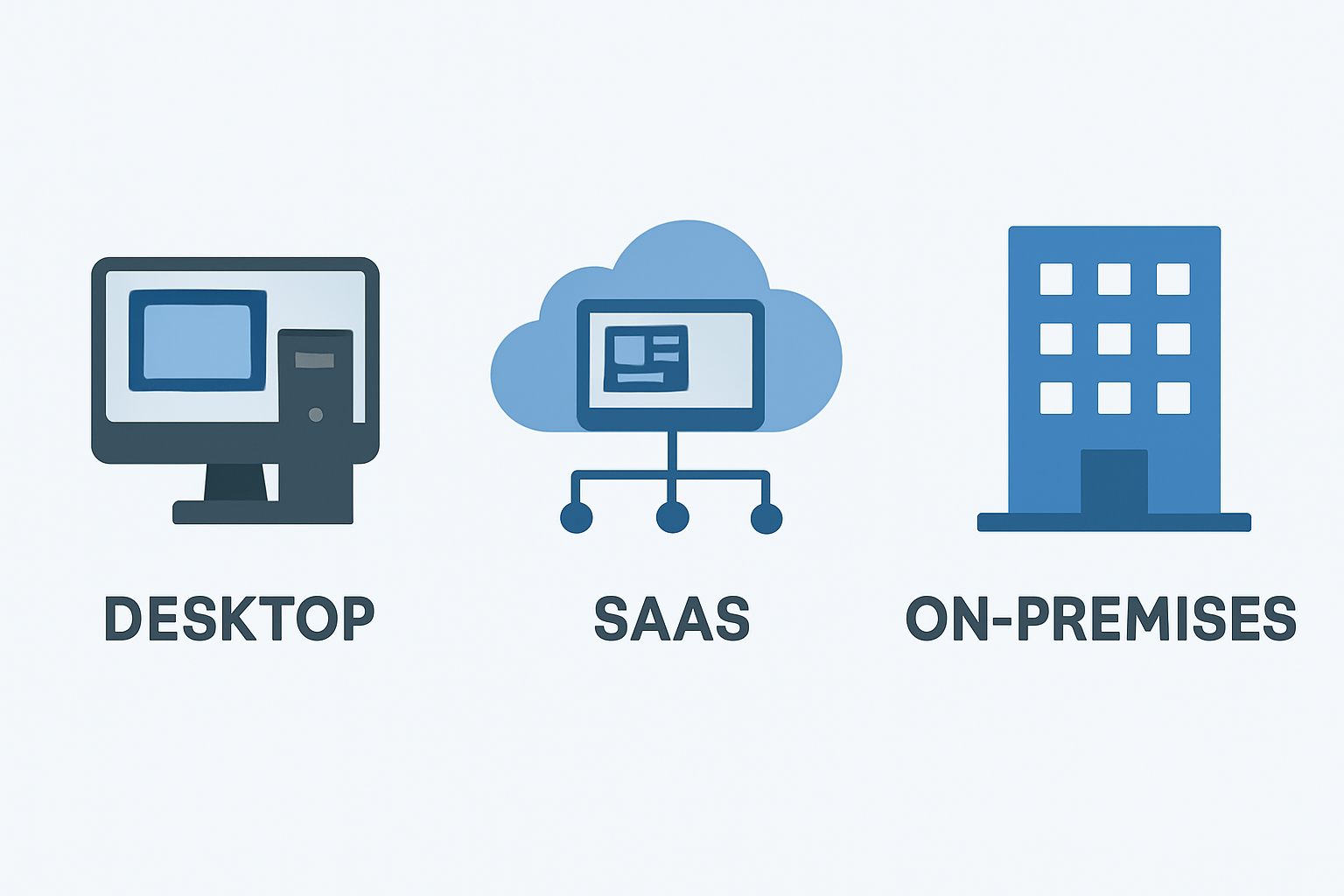
mindzie is an AI-driven process mining and automation platform designed to solve the exact pain points that send people looking for a Celonis alternative in the first place: unpredictable, data-volume-based pricing and long, consultant-heavy implementations. It’s available in cloud, private cloud, on-premise, and desktop editions, including a fully-featured free desktop edition for Windows that lets a team start mining real process data before any budget conversation happens. Users can request a free Mindzie Cloud tenant instead, so the free trial option isn’t limited to Windows users only.
What’s included:
- AI Jobs that let you generate insights in plain language, from spotting data issues to producing operational and executive-level reports complete with recommendations
- No-code process discovery, BPMN 2.0 modeling, and out-of-the-box system connectors
- An Automated Action Engine that triggers workflows straight from mining insights
- Python scripting for teams that want to extend past the no-code layer
mindzie also shows up as a listed alternative on Celonis’s own Gartner Peer Insights page, currently holding a 4.0-star rating across 28 verified reviews. Gartner’s reviewer data specifically notes mindzie scoring higher than Celonis on ease of integration and deployment, which tracks with what reviewers describe as mindzie’s core advantage: getting to a working process model in days, not months, without a specialist team to run it. And because the desktop edition is free, that comparison doesn’t have to be taken on faith, teams can run it against their own data before any purchasing conversation starts.
Who it’s for: Teams that want Celonis-level process visibility without Celonis’s price tag, implementation timeline, or cloud-only deployment.
2. SAP Signavio
SAP Signavio is the natural first stop for organizations already standardized on SAP, since its process mining component sits inside a broader suite that also covers process modeling, workflow automation, and business transformation. Since SAP’s 2021 acquisition, Signavio has deepened its native SAP data integrations considerably.
Where it stands out:
- Native, pre-built integration with SAP ERP data and the SAP ecosystem
- A combined suite covering process mining, modeling, and redesign in one environment
- A collaboration hub built for aligning stakeholders on process changes
The tradeoff is similar to Celonis in some ways: reviewers note that pricing and configuration for non-SAP data sources can still add complexity, so the fit is strongest for organizations that are already deep in the SAP world.
Who it’s for: SAP-centric organizations that want mining and process modeling bundled into a single connected suite.
3. ARIS Process Mining (Software AG)
ARIS is one of the oldest names in process mining, with a process mining module that sits inside Software AG’s much broader business process analysis suite. It’s built for enterprises that want mining, modeling, and governance handled in one connected environment rather than several disconnected tools.
Notable capabilities:
- Interactive root-cause analysis layered on top of standard process discovery
- Deep integration with ARIS’s process modeling and enterprise architecture tools
- Process Performance Management for tracking KPIs against mined process data
Who it’s for: Large, multi-layered enterprises that already rely on ARIS for process governance and want mining folded into that environment.
4. UiPath Process Mining
UiPath is best known as an RPA and automation platform, and its process mining capability, built on its 2019 acquisition of ProcessGold, is designed to plug directly into that automation layer. The core value proposition is discovering not just where a process breaks down, but which of those breakdowns are actually worth automating.
What it brings to the table:
- Tight integration with UiPath’s RPA and orchestration suite
- A lower-friction entry point through UiPath’s free-to-try cloud platform
- Extensive training resources through UiPath Academy
Who it’s for: Organizations already standardized on UiPath for automation that want process mining to feed directly into their existing bot pipeline.
5. IBM Process Mining
IBM entered process mining through its 2021 acquisition of myInvenio, and the resulting product leans heavily into governance, compliance, and simulation. It automatically discovers business rules from event-log data and can model to-be process scenarios before a team commits to a change.
Strengths worth noting:
- Automated discovery of business rules mapped to standard BPMN models
- Process simulation and what-if scenario modeling
- Native integration with IBM’s Cloud Pak and Watson AI ecosystem
Who it’s for: IBM-centric enterprises, particularly in regulated industries, that want process mining tied closely to compliance and simulation.
6. Microsoft Power Automate Process Mining
Formerly known as Minit before Microsoft’s 2022 acquisition, this tool is built to sit natively inside the Microsoft ecosystem, connecting easily to Power BI, Azure, and Microsoft’s broader automation tools. Ready-made templates aim to shorten time-to-first-insight compared to a from-scratch build.
What sets it apart:
- Native Power BI and Azure integration
- Pre-built templates for faster initial deployment
- Tight alignment with Microsoft’s Power Platform automation tools
Who it’s for: Organizations already committed to the Microsoft stack that want process mining as an extension of tools they already use.
7. Apromore
Apromore started as a research-backed, open-source-friendly process mining platform out of Australia, and was acquired by Salesforce in November 2025 to power process intelligence inside Agentforce. It has historically been popular with analysts and technically-minded teams who want visibility into the underlying algorithms rather than a fully black-boxed tool.
Core capabilities:
- Process and task mining, simulation, and root-cause analysis in one suite
- Highly configurable, with roots in academic process mining research
- Now positioned to integrate directly with Salesforce’s CRM and Agentforce data
Who it’s for: Salesforce-centric organizations, and technical teams that want a research-grade, highly customizable mining engine.
8. ABBYY Timeline
ABBYY Timeline leans into predictive analytics, using machine learning to flag likely process breakdowns before they happen rather than only reporting on what already went wrong. It’s a common pick in industries where timing and forecasting carry real operational weight.
Where it shines:
- Predictive, forecasting-oriented process analytics
- Automated conformance checking against expected process paths
- Visual, event-based process mapping
Who it’s for: Logistics, healthcare, and financial services teams that need forward-looking process risk signals, not just historical analysis.
9. iGrafx
iGrafx isn’t a newcomer chasing process mining through an acquisition, it’s a long-standing process intelligence and BPM vendor whose Process360 Live platform is used by over 2,000 organizations worldwide. Rather than treating mining as a standalone analytics layer, iGrafx builds it into a broader “digital twin of the organization” that connects mining, modeling, simulation, and predictive analytics in one environment.
What it does well:
- An AI-enabled Process Repository that keeps mining, modeling, and documentation connected and searchable across teams
- Risk-free scenario simulation to test process changes and estimate ROI before committing to them
- Strong fit for regulatory compliance and Six Sigma or Lean-style continuous improvement work, alongside the mining itself
Who it’s for: Enterprises that want mining bundled with deep process modeling and documentation, not just an analytics dashboard sitting on top of event logs.
10. Appian
Appian is a low-code automation platform that added native process mining through its 2021 acquisition of Lana Labs, a Berlin-based process mining company known for AI- and machine-learning-driven analysis of complex enterprise workflows. Rather than positioning mining as a separate research step, Appian folds it directly into the same low-code environment used to build and deploy the fix.
What it does well:
- AI- and ML-driven analysis built for complex, high-volume enterprise processes
- Native integration with Appian’s low-code Process Modeler and automation builder
- A single “discover, design, automate” pipeline instead of separate mining and build tools
Who it’s for: Organizations that want process mining as one step inside a broader low-code automation pipeline, rather than a standalone analytics tool.
Frequently Asked Questions
What is the biggest complaint about Celonis?
Cost, by a wide margin. Celonis users consistently describe it as the most expensive platform in the category, with licensing tied to data volume rather than a flat, predictable fee, which makes it difficult for mid-market companies to budget for.
Is Celonis hard to implement?
For most teams, yes, at least initially. Reviewers describe a real learning curve for building custom dashboards or analyses, and getting full value typically requires a trained internal team or outside consulting support rather than a self-service setup.
What is the best budget-friendly alternative to Celonis?
For teams that want predictable, user-based pricing instead of data-volume licensing, mindzie is generally the most accessible starting point, including a free desktop edition for testing real process data before any budget conversation happens.
Do Celonis alternatives offer the same depth of analysis?
It depends on the platform. Enterprise-grade tools like SAP Signavio and ARIS Process Mining offer comparable depth for SAP-centric or governance-heavy environments, while platforms like mindzie prioritize faster time-to-value and simpler deployment over matching every advanced feature Celonis offers.
Which Celonis alternative makes sense for a large, SAP-heavy enterprise?
SAP Signavio and ARIS Process Mining are the strongest fit for large enterprises deep in the SAP world, since both offer native SAP integration plus the process modeling and governance features larger transformation programs tend to need. mindzie is also worth a look here, its connectors integrate directly with SAP alongside Microsoft Dynamics, Oracle, and Salesforce, so SAP-heavy teams don’t have to give that up to get simpler pricing and deployment.
Related Reading
- What Is Object-Centric Process Mining
- mindzie’s On-Premise Process Mining Solution
- Explore mindzie’s Process Mining Software
Final Thoughts
Celonis earned its reputation for a reason, but that depth comes with a price and a learning curve that not every organization can justify. For teams that want faster time-to-value, simpler pricing, or deployment flexibility that doesn’t require a specialist team to run day to day, alternatives like mindzie are worth a serious look, especially since the comparison can be tested directly rather than taken on a sales deck.
Ready to see how it compares on your own process data? Try the free mindzie desktop edition, or book a quick demo to walk through your specific use case.